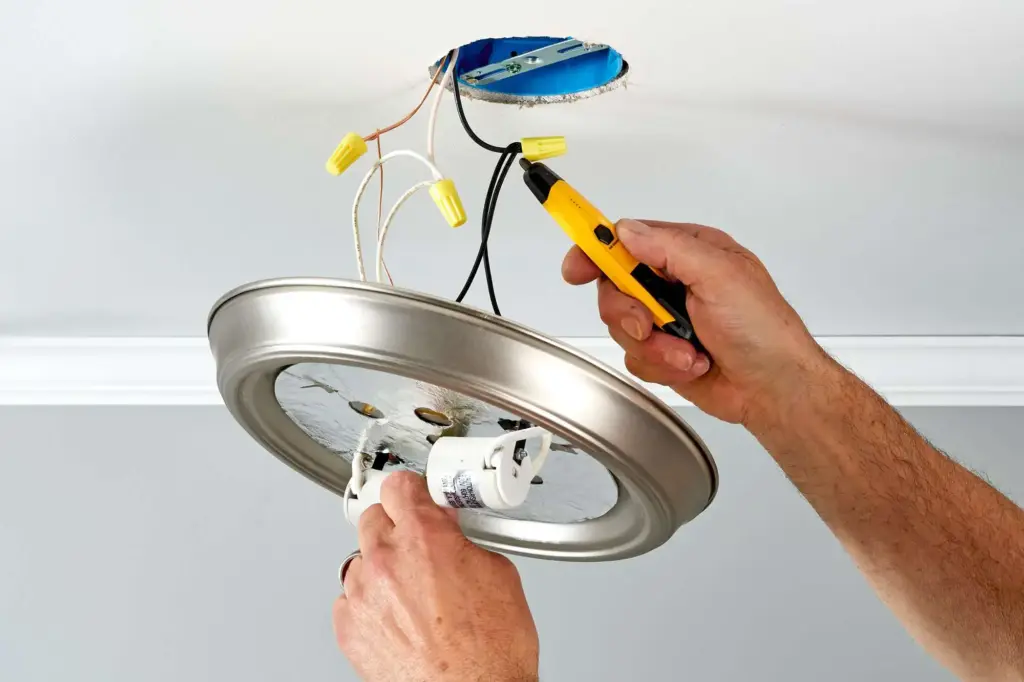
Safeguarding the employees against the electrical hazards is the moral and legal duty of the employers. To protect your team, identify common workplace electrical hazards such as damaged cords, overloaded circuits, water in electrical areas, lack of proper grounding, and contact with overhead lines. You can prevent accidents by conducting regular inspections, using proper PPE, hiring qualified personnel for repairs, enforcing lockout/tag-out procedures, and keeping electrical equipment dry. Equipping your team with electrical safety knowledge gives them the confidence to perform their job safely and correctly, leading to a more efficient and profitable workplace.

Power Up Your Safety Protocols: Combating Workplace Safety Hazards For Your Team’s Welfare
A tragic workshop accident occurred when, under pressure to keep production moving, David instructed his new technician to inspect the malfunctioning machine. Without fully assessing the situation, Mark reached for the wiring to make a quick fix. The damaged wire, hidden from view, gave him a significant electric shock, causing burns and nerve damage. The accident underscores the importance of proper safety training, implementing control measures, and ensuring that the electrical equipment is regularly maintained by qualified professionals. Knowing workplace electrical hazards protects your team by reducing accidents and injuries, ensuring legal and regulatory compliance, and fostering a safer, more productive work environment.
| Fast Fact!
OSHA (Occupational Safety and Health Administration) has specific electrical workplace safety regulations based on the National Electric Code (NEC). |
Is your team safe? Here’s a guide to common electrical hazards and how to ensure workplace safety.
-
Exposed Cords
Exposed cords, frayed wires, damaged plugs, and worn insulation can expose the workers and employees to live electricity, leading to shocks, burns, and fires. Wires with damaged insulation can lead to the electricity arcing to nearby metal objects, causing fire incidents. This hazard can be mitigated by properly insulating all electrical wiring in conduits and raceways.
-
Worn Equipment and Faulty Tools
Broken and faulty electrical equipment is a major shock or fire hazard. The internal components can get overheated and ignite nearby combustible materials, causing electrical shock. Get your defective equipment repaired by a qualified electrician and never put electrical tape to cover damaged insulation.
| Did you know?
Recent data shows that while electrical fatality rates per 100,000 workers have remained consistent, Hispanic or Latino workers have a disproportionately high rate of electrical fatalities, and that rate is consistently increasing. |
Overloaded Circuits and Outlets
Overloaded outlets and circuits can overheat the wiring and start a fire. Extension cords and too many high-powered devices plugged into a socket can ignite the circuit. Avoid plugging in more devices in a single socket, and use the power strip with overcurrent protection. Regularly inspect and be mindful of burning smells and warm outlets.
-
Improper Grounding
A missing or faulty ground path can allow electricity to flow through the equipment and into the body of anyone touching it, creating an electrocution risk. Install a ground fault circuit interruptor (GFCI), which switches off the circuit on detecting current leakage, protecting against shocks.
-
Damp Environment
Wet conditions can increase the risk of electrocution. Electrical equipment in damp vicinity increases the risk of injuries or fatalities. Never touch the electrical equipment with wet hands, and use GFCIs when working with equipment in a damp environment.
| Important fact!
The Electrical Safety Foundation International (ESFI) has revealed that 69% of electrical workplace fatalities were in occupations unrelated to electrical work. Data from the National Fire Protection Association (NFPA) shows that a shocking 44% of victims were employed in construction and extraction occupations. |
Contact with Power Lines
Overhead and underground power lines carry extremely high voltages that can cause severe burns and electrocution. Maintain a distance of at least 10 feet from overhead power lines and ensure workers wear proper PPE, such as non-conductive gloves, when working near live electrical components.
Lack of Lockout/Tagout
Failing to use LOTO procedures for maintenance allows equipment to be accidentally re-energised, creating a serious hazard for workers. Enforce LOTO procedures for any maintenance and service on electrical equipment to prevent accidental energization.
Conclusion
The knowledge of workplace electrical hazards empowers employees to identify risks like frayed wires and overloaded circuits and act safely. By taking proactive measures and fostering a safety-conscious environment, you can significantly reduce the risk of electrical accidents and protect your team, fostering trust and a positive reputation.
FAQs
What is the key factor in ensuring workplace electrical safety?
When working with electrical equipment, safe work practices require keeping away from energized or loaded circuits and disconnecting the device from the power source during service maintenance.
What are the negative effects of workplace injuries on an organization?
The direct cost of workplace injury requiring medical consultation is estimated to exceed $40,000. According to the National Safety Council, the cost of a death exceeds $1.3 million in direct costs alone.
What are the latest statistics on electrical safety?
Annually, approximately 1.2 million people sustain electrical accident-related injuries worldwide.