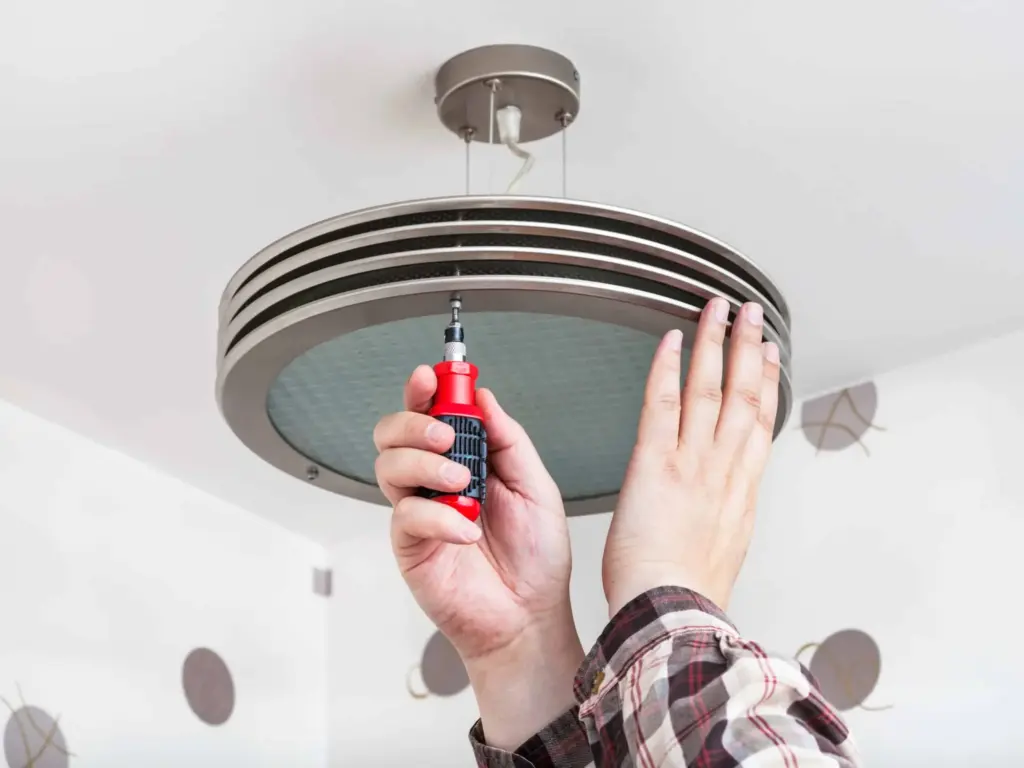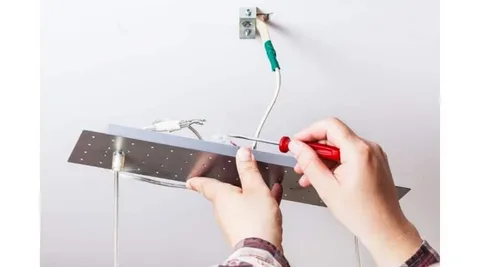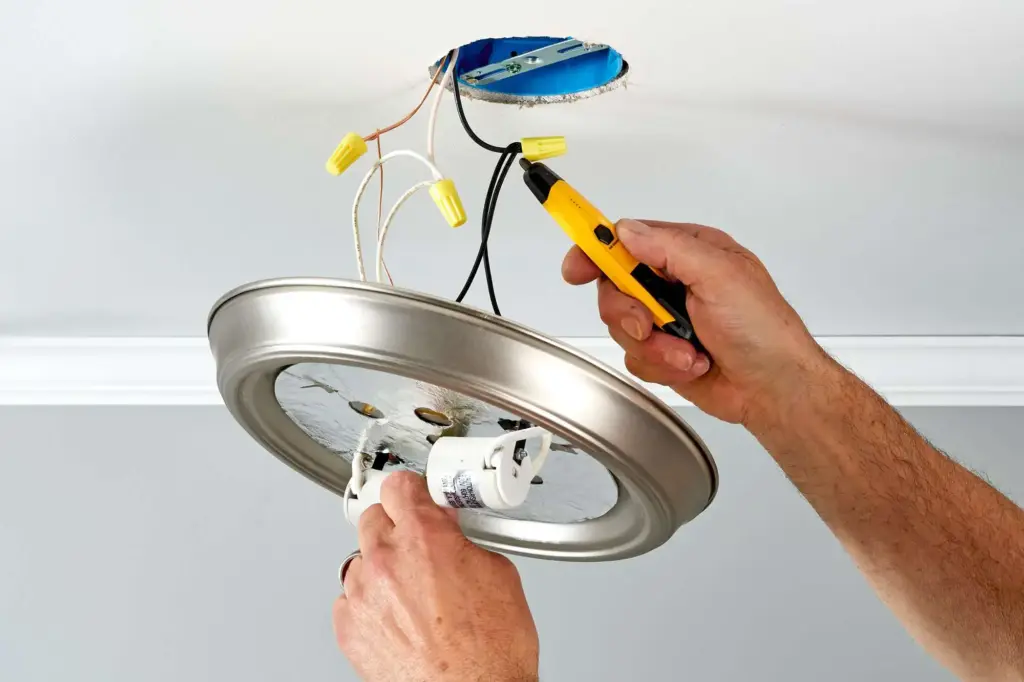
Your home should be a place of safety—but electrical hazards can quickly turn it into a danger zone if left unchecked. Even simple mistakes like using a hairdryer near a sink or ignoring a frayed cord can lead to serious injuries, fires, or worse.
Protecting your family starts with awareness and action. This guide highlights 7 practical and effective tips to prevent electric shocks and reduce the risk of electrical accidents in your home. From installing Ground Fault Circuit Interrupters (GFCIs) to properly using extension cords, these safety steps are simple—but powerful.
Let’s make your home a safer place for everyone.
⚠️ 1. Don’t Wait for a Shock – Test Your GFCI
Ground Fault Circuit Interrupters (GFCIs) are your first line of defense against dangerous shocks. These devices shut off electricity in milliseconds when they detect an electrical imbalance, typically caused by contact with water.
✅ What to Do:
-
Install GFCIs in wet/damp areas like bathrooms, kitchens, garages, basements, and outdoors.
-
Test each GFCI outlet monthly using the “Test” and “Reset” buttons.
-
Replace any GFCI that fails to trip or reset properly.
💧 2. Keep Electricity and Water Far Apart
Water and electricity are a deadly combination. Many household accidents happen when devices are used near sinks, bathtubs, or with wet hands.
✅ What to Do:
-
Never use electrical appliances near water sources.
-
Dry your hands completely before handling cords or devices.
-
Do not operate appliances while in the bathtub or shower.
🔌 3. Damaged Cords & Outlets – Repair Immediately
Frayed wires, exposed conductors, or loose outlets are all warning signs of potential shock or fire hazards. Don’t delay repairs.
✅ What to Do:
-
Inspect cords and outlets regularly.
-
Replace or repair damaged cords immediately—never tape over them.
-
If an outlet is loose or sparks, shut off power and call an electrician.
🔥 4. Prevent Circuit Overload – Don’t Risk a Fire
Plugging too many devices into a single outlet or power strip can cause overheating and potentially start a fire.
✅ What to Do:
-
Avoid overloading outlets with multiple high-wattage appliances.
-
Watch for signs of overload: warm outlets, burning smells, or frequent breaker trips.
-
If needed, ask a licensed electrician to install additional outlets.
👶 5. Keep Kids Safe – Outlets Are Not Toys
Children are naturally curious. Unguarded outlets or exposed cords are a major risk for little ones.
✅ What to Do:
-
Use tamper-resistant outlets or plastic safety caps.
-
Cover all unused outlets.
-
Educate your children early about the dangers of electricity.
🧯 6. Use Extension Cords Safely
Extension cords are meant for temporary use—but many people use them long-term, or worse, improperly.
✅ What to Do:
-
Don’t run extension cords under carpets or furniture.
-
Use cords rated for the intended electrical load.
-
Never daisy-chain multiple cords together.
-
If you need more outlets, consider having an electrician add permanent ones.
⚡ 7. Outlet Sparking? Take Action Immediately
A sparking outlet is never normal—it could mean faulty wiring or a short circuit. Act fast to prevent fire or injury.
✅ What to Do:
-
Turn off power at the circuit breaker immediately.
-
Tape over the outlet or mark it to prevent use.
-
Call a licensed electrician for inspection and repair.
🏡 Conclusion: Make Home Electrical Safety a Priority
Electrical safety at home isn’t just about avoiding shocks—it’s about protecting the people you love. By following these 7 practical tips, you can create a much safer living environment:
-
Regularly test and install GFCIs
-
Keep water and electricity separate
-
Replace damaged cords
-
Avoid overloaded circuits
-
Child-proof your outlets
-
Use extension cords responsibly
-
Act immediately on any sparking outlets
A few small actions can prevent devastating consequences. Make safety a habit—not an afterthought.
❓ FAQs
✅ How often should I test GFCIs?
GFCIs should be tested once a month using the “Test” and “Reset” buttons on the outlet.
✅ What should I do if I find a damaged cord?
Stop using it immediately. Replace the cord or have a qualified technician repair it. Never use electrical tape as a fix.
✅ What is a tamper-resistant outlet?
A tamper-resistant outlet has built-in shutters that prevent objects from being inserted unless both prongs of a plug are inserted simultaneously—ideal for homes with small children.