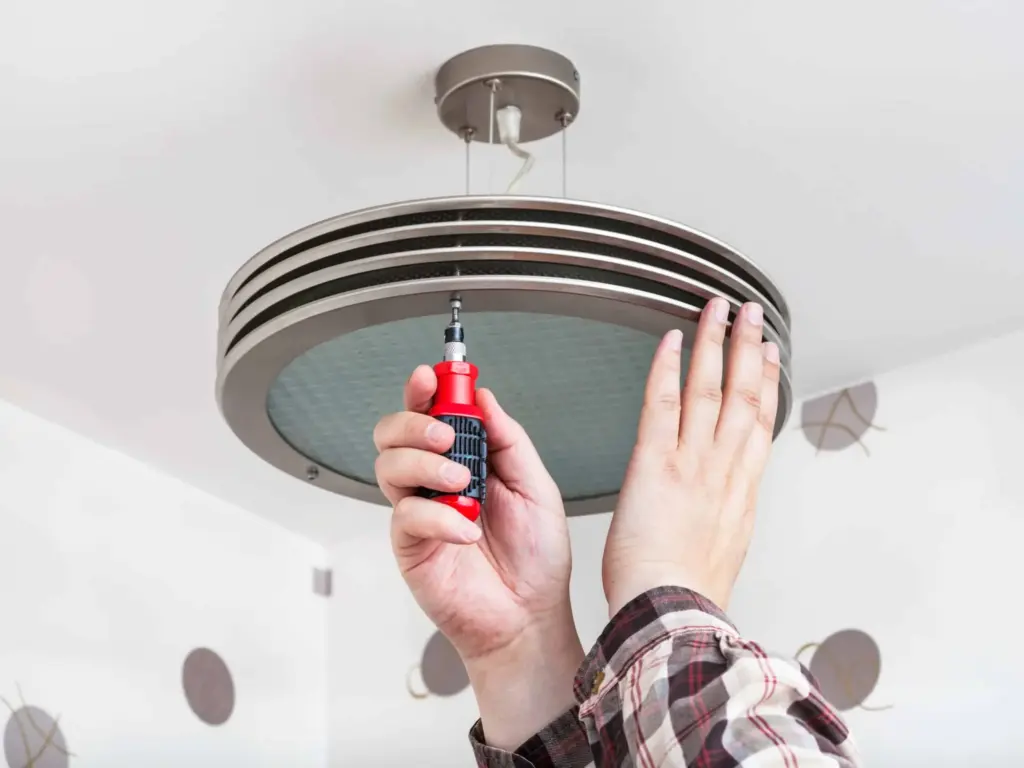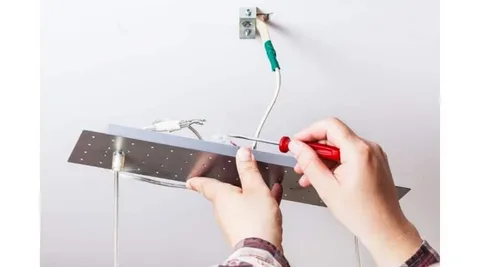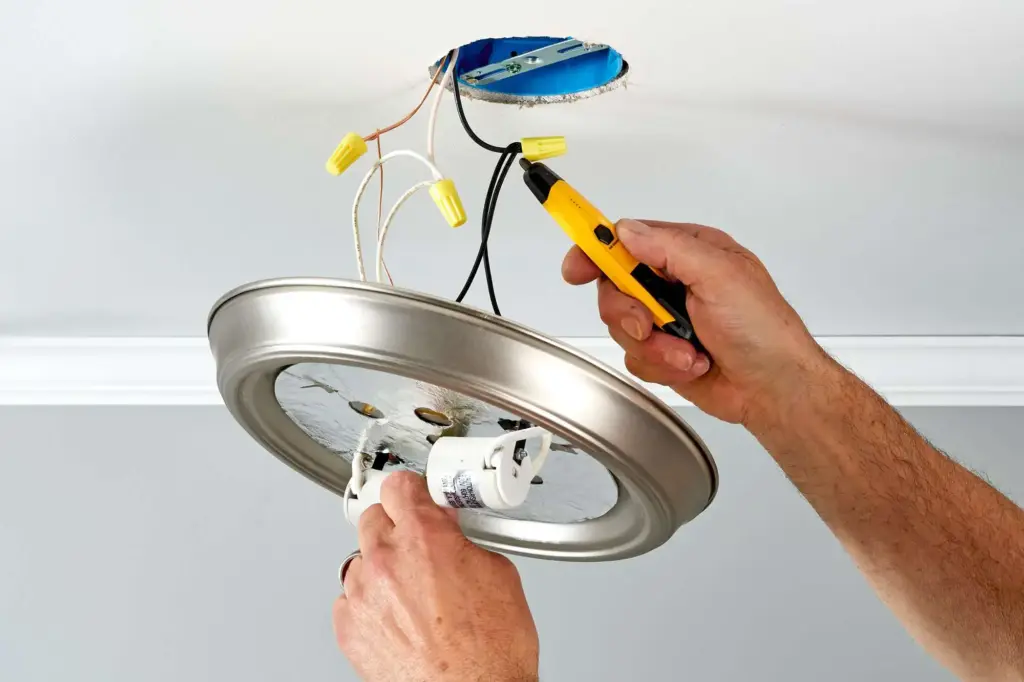
Installing a new light fixture is important for an upgrade and to improve your home’s appearance, but it’s crucial to make sure that your current wiring is prepared before making that switch. For the new fixture to operate correctly highly depends on the electrical compatibility and safety. Understanding these basics can help owners to avoid possible risks, expensive electrical repairs, and performance problems after installation. At Shock Solutions LLC, we know that electrical compatibility plays a major role in giving your fixtures new life. We’ll guide you through all the basic and non-basic things to understand your wiring before adding a new light fixture.
CHECK YOUR EXISTING WIRING:
The age and state of your old wiring indicate the readiness. Older homes have outdated wiring that does not meet the standards of current electrical codes. Wiring insulation may deteriorate, crack, or become brittle with time, raising the possibility of electrical fires or short circuits. Before installing a new fixture, your old wiring system needs maintenance if you notice any obvious damage or exposed wires. It may be a sign that your wiring needs more attention before you install a new fixture.
INSPECTING YOUR ELECTRICAL BOX:
The electrical box must be strong enough to hold the light fixture’s weight. Since current designs are heavier and need a lot of support, many boxes that were fitted for lightweight fixtures might not hold the weight of the modern ones. A loose or damaged box can cause the fixture to move away from the ceiling and cause physical or electrical damage. One crucial step in assessing readiness is making sure the box is placed correctly and rated for the fixture.
ENSURING SAFE VOLTAGE AND GROUNDING:
Modern light fixtures are made to work with standard voltage and proper grounding. Grounding stabilizes the flow of electricity and prevents electrical shocks. If your wiring lacks a ground wire or shows signs of improper connections, it may not be compatible with new fixtures. Common signs that the wiring might not be working properly include flickering lights, buzzing noises, or frequent breaker tripping.
CONSIDERING THE TYPE OF LIGHT FIXTURE:
The electrical needs of different light fixtures vary. While recessed lighting, chandeliers, ceiling fans, and smart lighting systems sometimes call for certain wiring layouts, simple ceiling lights may function with basic wiring. For optimum operation, dimmers and switches that are compatible with LEDs must also be compatible. Determining if your wiring is ready or needs to be upgraded requires assessing the requirements of your new fixture.
SPOTTING ELECTRICAL WARNING SIGNS:
Certain warning signs should never be ignored when assessing the readiness of the wires. Signs that portray electrical issues are burning smells, warm switches, sparking, or inconsistent lighting performance, which indicate potential electrical problems. These portray that the wiring is understressed and is clearly not ready for the new fixture. Addressing these concerns early helps prevent safety risks and system failures.
WHEN TO CALL A PROFESSIONAL ELECTRICIAN:
Homeowners can only do basic visual checks, but only a certified electrician can determine if your wiring complies with local electrical laws and safety regulations. Before installation, a professional inspection guarantees that loads are balanced, connections are secure, and any required modifications are finished. For older homes with intricate lighting systems, this is particularly crucial.
CONCLUSION:
Verify that your wiring is prepared for a new light fixture to safeguard your house, investment, and safety. At Shock Solutions LLC, we assist homeowners with wire assessments, electrical box inspections, appropriate grounding, and fixture matching to system needs. For a competent, secure, and durable lighting update, don’t take any risks and get in touch with Shock Solutions LLC right now.
FAQs:
- How can I determine whether a new light fixture will work with my wiring?
Verify that the electrical box is correctly rated, grounded, and has secure connections.
- Can I use the current wiring to install a big chandelier?
Only if the wire and box are rated for the weight; if not, an upgrade is required.
- What symptoms indicate a problem with the wiring?
Buzzing sounds, flickering lights, heated switches, or exposed wires.
- Can I safely install a light fixture by myself?
Simple fixtures could be safe, but big or complicated ones need to be fitted by a professional.
- How can I determine whether my circuit can accommodate a new fixture?
Examine the fixture’s power needs and the circuit’s amperage, or speak with an electrician.