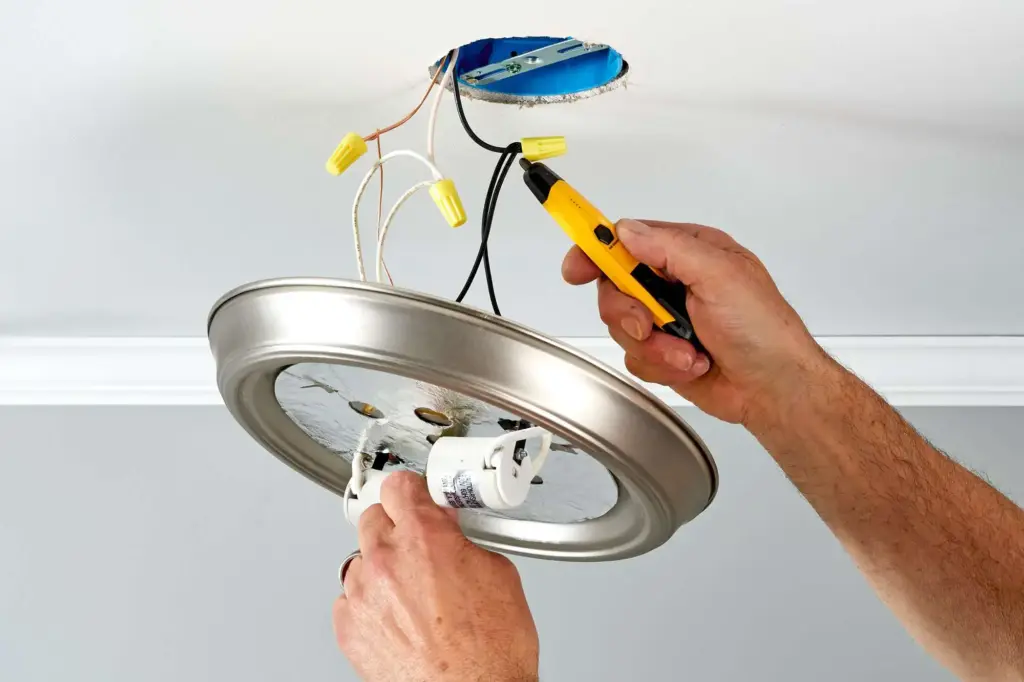
Electricity is essential in our daily lives—it powers our homes, appliances, and devices. But it’s also dangerous, especially when water is involved. That’s where GFCI outlets come in. These often-overlooked devices are the unsung heroes of your home’s electrical system, protecting your family from shocks, preventing fires, and saving your appliances from damage.
In this guide, we’ll walk you through everything you need to know about GFCI outlets—what they are, how they work, and why every homeowner should invest in them.
What is a GFCI? Understanding the Types & Functions
A GFCI (Ground Fault Circuit Interrupter) is a special electrical outlet designed to immediately cut off power when it detects even the slightest irregularity in the electrical current—typically as low as 5 milliamps. This quick response can prevent serious injury or damage.
Types of GFCIs
-
Receptacle GFCI
These resemble standard wall outlets but include built-in sensors and buttons labeled “Test” and “Reset.” They protect a single appliance or all devices downstream on the same circuit. -
Circuit Breaker GFCI
Installed directly in the electrical panel, these protect an entire circuit. They’re commonly used in new builds or major remodels. -
Portable GFCI
Perfect for temporary setups like outdoor work or construction sites. These plug into standard outlets to offer portable protection.
Why You Need GFCI Outlets: Key Benefits
1. Meets Safety Codes & Legal Requirements
The National Electrical Code (NEC) mandates GFCI installation in areas where water and electricity are likely to interact. These include:
-
Kitchens
-
Bathrooms
-
Garages
-
Laundry rooms
-
Outdoor areas
-
Basements
-
Near indoor pools or wet bars
Ignoring these requirements could not only endanger your family but also put you at risk of fines or failed home inspections.
2. Prevents Electric Shock
Water is a powerful conductor. A wet surface or damp hand near an unprotected outlet can result in serious electric shock. GFCIs monitor the flow of electricity and instantly shut it off when irregularities are detected—keeping you safe in real-time.
Example: If a splash of water hits your curling iron, the GFCI will trip before any harm can happen—possibly saving your life.
3. Reduces Risk of Electrical Fires
Faulty wiring or electrical surges can lead to sparks that ignite surrounding materials. A GFCI quickly disconnects the power when current flows through an unintended path, such as water or a person.
🔥 Did You Know?
Home electrical fires cause over 51,000 incidents annually in the U.S.
4. Protects Your Expensive Appliances
Power fluctuations can damage electronics and appliances. A GFCI detects these fluctuations early and prevents long-term damage to devices like:
-
Hair dryers
-
Laptops
-
Speakers
-
Kitchen appliances
5. Prevents Costly Property Damage
If an electrical fire breaks out, restoration can cost thousands of dollars—and that’s if your insurance covers it. GFCI outlets act as a first line of defense, potentially saving you from major property loss.
💸 Annual Cost of Residential Electrical Fires in the U.S.:
Around $1.3 billion in damages.
How to Tell If Your GFCI Outlet Is Faulty
Just like any part of your home, GFCI outlets can wear out. Here are the signs you need a professional inspection or replacement:
-
Frequent Tripping: If it trips often without cause, it may be malfunctioning.
-
Failure to Trip During Testing: Pressing the “Test” button should cut off power. If it doesn’t, the outlet isn’t working properly.
-
Physical Damage: Cracks, burn marks, or loose connections are signs it’s time to replace the outlet immediately.
Conclusion
GFCI outlets are a non-negotiable component of any safe and modern home electrical system. Not only are they legally required in many areas, but they also protect you from shocks, reduce fire risks, and extend the lifespan of your valuable appliances.
Don’t wait for a disaster to strike. Upgrade your outlets and ensure peace of mind with GFCI protection.
FAQs
How can I tell if I have a GFCI outlet?
Look for an outlet with “Test” and “Reset” buttons—these indicate a GFCI.
How long do GFCI outlets last?
Typically 10–15 years, depending on usage and environmental conditions.
How do I test my GFCI outlet?
-
-
Plug in a small appliance (like a lamp).
-
Press the “Test” button—the appliance should turn off.
-
Press the “Reset” button to restore power.
-