Have you ever turned on the microwave while the toaster, coffee maker, or air conditioner was already running and suddenly the power went out in part of your home? In many cases, the circuit breaker has tripped because too much electrical current was being drawn from the same circuit.
Circuit breakers are designed to protect your home’s electrical system. When a circuit carries more current than it is designed to handle, the breaker shuts off the power to help prevent overheating and potential electrical damage.
Occasional breaker trips can happen when several high-power appliances operate at the same time. However, frequent trips may indicate an electrical problem that needs attention.
Shock Solutions LLC provides residential and commercial electrical services for property owners in Midland, Odessa, Big Spring, Andrews, Pecos, and surrounding areas in Texas.
What Does a Circuit Breaker Do?
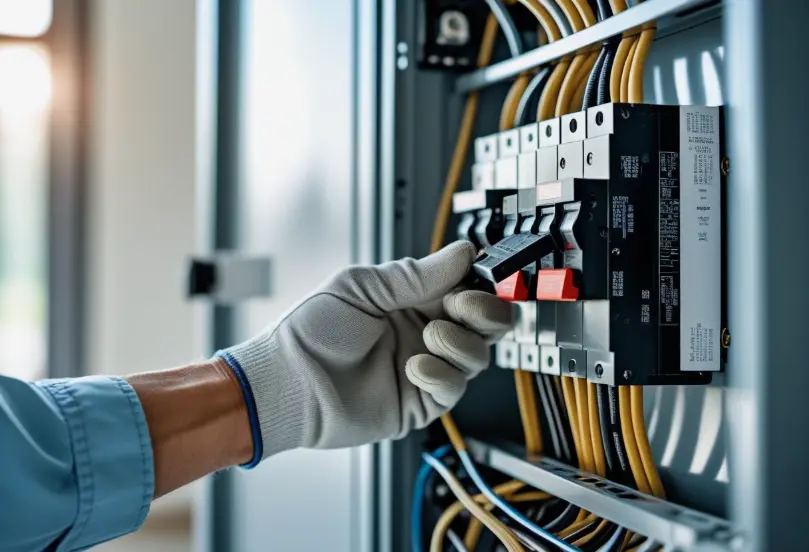
A circuit breaker is a safety device located in your home’s electrical panel. It controls the flow of electricity through an individual circuit.
Every circuit is designed to handle a certain amount of electrical current. When the current becomes too high, the breaker can trip and interrupt the flow of electricity.
This helps protect wiring and electrical equipment from excessive heat.
For example, if a circuit is designed for a certain electrical load and you run several high-demand appliances from outlets on that same circuit, the combined load may exceed the circuit’s capacity. The breaker can then trip.
Why Do Breakers Trip When Multiple Appliances Run?
The most common reason is circuit overload.
Different appliances use different amounts of electricity. A refrigerator may draw a moderate amount of power, while an electric oven, space heater, clothes dryer, or air conditioner can require substantially more.
If several appliances connected to the same circuit operate at the same time, their electrical demand is added together.
For example, a kitchen circuit could become overloaded when appliances such as a:
- Microwave
- Toaster
- Coffee maker
- Air fryer
- Electric kettle
are used at the same time.
The exact electrical demand depends on the appliance, circuit, and electrical system in the home.
What Is an Electrical Overload?
An electrical overload occurs when a circuit is asked to supply more current than it is designed to carry.
Think of an electrical circuit as a path with a maximum capacity. Plugging in one small appliance may not be a problem. Adding several high-power appliances to the same circuit increases the total load.
When the load becomes excessive, the breaker trips.
This is one reason kitchen appliances, heating equipment, air conditioners, dryers, and other high-power devices often require properly sized circuits.
Some Appliances Use Much More Power Than Others
Not all appliances place the same demand on an electrical circuit.
High-power appliances may include:
- Electric ranges
- Ovens
- Clothes dryers
- Water heaters
- Space heaters
- Air conditioning equipment
- Microwaves
- Large workshop equipment
Running multiple high-demand appliances at the same time can increase the chance of an overload, particularly if they are connected to the same circuit.
Your electrician can determine whether your electrical system has appropriately sized circuits for your home’s appliances.
What Happens When a Breaker Trips?
When the breaker detects excessive current, it switches to the off position and interrupts electricity to that circuit.
You may notice that:
- Several outlets stop working.
- Some lights turn off.
- One or more appliances lose power.
- Part of a room has no electricity.
- The breaker appears to be between the ON and OFF positions.
After identifying and safely reducing the electrical load, a homeowner may be able to reset the breaker.
However, a breaker that repeatedly trips should not simply be reset over and over.
Frequent trips can indicate that the circuit is regularly overloaded or that another electrical issue is present.
Why Does It Keep Happening With the Same Appliances?
If a breaker trips whenever you use two or three particular appliances together, the circuit may not have enough capacity for their combined electrical demand.
For example, a homeowner may notice that the breaker trips whenever a microwave and toaster are used simultaneously.
That does not necessarily mean either appliance is defective. The issue could simply be that both appliances are drawing substantial power from the same circuit.
An electrician can inspect the circuit and determine whether the current setup is appropriate.
Could an Old Electrical Panel Be Part of the Problem?
In some homes, repeated breaker trips can be related to an older or inadequate electrical system.
Older homes may have electrical systems that were designed when households used fewer appliances and consumed less electricity.
Modern homes commonly have many devices operating at the same time, including:
- Computers
- Televisions
- Kitchen appliances
- HVAC equipment
- Electric vehicles
- Home office equipment
- Laundry appliances
- Entertainment systems
If the electrical system has not been updated to accommodate increased demand, the panel and circuits may need to be evaluated.
Can a Faulty Appliance Cause a Breaker to Trip?
Yes. An appliance with an electrical fault can cause a breaker to trip.
If the breaker trips whenever you use one particular appliance, even when other appliances are turned off, the appliance itself may need to be inspected.
A damaged power cord, internal electrical fault, short circuit, or other problem can cause excessive current.
Avoid repeatedly plugging a suspected faulty appliance back in just to see whether the breaker trips again.
What If the Breaker Trips When Nothing Major Is Running?
If a breaker trips even though you are not operating several high-power appliances, the situation deserves further investigation.
Possible causes can include:
- A short circuit
- Ground fault
- Damaged wiring
- Faulty appliance
- Loose electrical connection
- Circuit overload
- Aging electrical components
Because several different problems can produce similar symptoms, identifying the actual cause requires an electrical inspection rather than simply replacing the breaker.
Should You Replace a Breaker That Keeps Tripping?
Not necessarily.
A breaker is often doing exactly what it is supposed to do when it trips. Replacing it without identifying the underlying cause may not solve the problem.
For example, if a circuit is consistently overloaded, installing a new breaker does not automatically increase the circuit’s safe capacity.
The circuit wiring, breaker rating, panel, and electrical load all need to be considered together.
How Can You Prevent Circuit Overloads?
You can reduce the likelihood of nuisance trips by being aware of how appliances are distributed across your home’s electrical circuits.
Avoid Running Several High-Power Appliances Together
If several high-demand appliances are connected to the same circuit, try not to operate them simultaneously when possible.
Avoid Overusing Extension Cords
Extension cords are not a substitute for properly installed electrical outlets and circuits. High-power appliances may require dedicated or appropriately sized circuits.
Pay Attention to Repeated Breaker Trips
A breaker that trips once because several appliances were accidentally used together may not indicate a serious problem.
Repeated trips, however, should not be ignored.
Have Your Electrical System Evaluated
If your home regularly has more electrical demand than its existing circuits can handle, an electrician can evaluate the system and determine whether additional circuits, wiring improvements, or an electrical panel upgrade may be appropriate.
When Should You Call an Electrician?
Contact a qualified electrician if:
- A breaker keeps tripping.
- A breaker will not reset.
- An outlet feels hot.
- You notice burning smells near an outlet or electrical panel.
- You see sparks or signs of damaged wiring.
- Lights repeatedly flicker or dim.
- A breaker trips when only one appliance is running.
- Your electrical panel appears outdated or damaged.
- You are adding major electrical appliances to your home.
Electrical problems can have different causes, so it is important to have persistent issues properly diagnosed.
How Shock Solutions LLC Can Help
If your circuit breaker keeps tripping when multiple appliances are running, the first step is determining why the circuit is becoming overloaded or why the breaker is activating.
Shock Solutions LLC provides electrical services for residential and commercial properties in Midland, Odessa, Big Spring, Andrews, Pecos, and surrounding Texas communities.
Whether you need help troubleshooting repeated breaker trips, evaluating your electrical panel, upgrading wiring, or preparing your home for additional electrical loads, a professional electrical assessment can help identify the right solution for your property.
Frequently Asked Questions
Why does my breaker trip when I turn on multiple appliances?
The most common reason is an overloaded circuit. When several appliances draw electricity from the same circuit, their combined electrical demand may exceed the circuit’s capacity.
Is it normal for a circuit breaker to trip occasionally?
A breaker may trip if a circuit is temporarily overloaded. However, frequent or unexplained trips should be investigated to determine whether an electrical problem exists.
Can two appliances overload one circuit?
Yes. Two high-power appliances operating simultaneously can draw enough current to overload a circuit, depending on their electrical requirements and the circuit’s capacity.
Why does my breaker trip when I use my microwave and toaster together?
Both appliances can draw a significant amount of electricity. If they are connected to the same circuit, their combined demand may exceed the circuit’s capacity and cause the breaker to trip.
Should I keep resetting a breaker that trips?
No. If a breaker repeatedly trips, avoid repeatedly resetting it without finding the cause. Frequent trips can indicate an overload, faulty appliance, damaged wiring, or another electrical problem.
Can a bad appliance cause a breaker to trip?
Yes. A faulty appliance can cause excessive current or an electrical fault that trips the breaker. If one specific appliance consistently causes the breaker to trip, it should be inspected.
Can an electrical panel upgrade stop breakers from tripping?
An electrical panel upgrade may help when the existing electrical system is inadequate for the property’s current needs, but the actual cause should be diagnosed first. The solution could involve a circuit change, wiring repair, load distribution, or another electrical improvement.
How do I know if my home has too much electrical demand?
Frequent breaker trips, flickering lights, overloaded circuits, limited available circuits, or difficulty running multiple appliances can be signs that your electrical system should be evaluated by a qualified electrician.