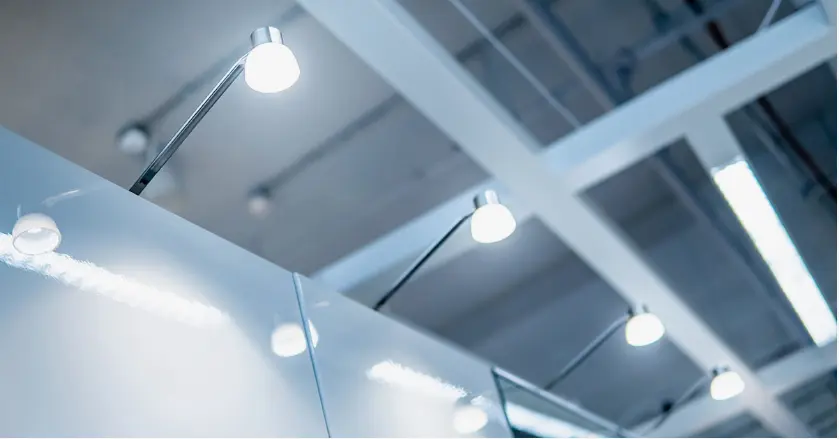
Commercial LED lighting installation can help businesses improve visibility, reduce electricity use, and spend less time replacing lamps and repairing old fixtures. However, the total cost depends on the size of the building, the type of lighting being installed, the number of fixtures, and the amount of electrical work required.
For business owners in Midland, Odessa, Big Spring, Andrews, and Pecos, TX, upgrading to LED lighting may be worth considering for offices, retail stores, warehouses, workshops, and other commercial properties.
A commercial LED lighting project can cost a few thousand dollars for a small space or tens of thousands of dollars for a larger facility. Understanding the main cost factors can help you prepare a realistic budget, compare contractor estimates, and determine whether the upgrade could save money over time.
How Much Does Commercial LED Lighting Installation Cost?
Commercial LED lighting installation costs vary based on whether you are replacing individual lamps, retrofitting existing fixtures, or installing an entirely new lighting system.
For initial budgeting, the following estimates provide a general starting point. Actual prices vary by location, fixture specifications, installation conditions, and project requirements.
| Type of commercial LED lighting work | Estimated installed cost |
|---|---|
| Basic LED lamp replacement or simple retrofit | $20–$100 per fixture |
| Standard office LED fixture replacement | $100–$300 per fixture |
| Warehouse or industrial high-bay lighting | $150–$600+ per fixture |
| Exterior wall-pack lighting replacement | $100–$400+ per fixture |
| Commercial lighting retrofit | $1.50–$8+ per square foot |
These are broad planning estimates, not fixed prices for every project. Simple lamp replacements may cost less, while high ceilings, lift equipment, extensive rewiring, advanced controls, and difficult access can increase the total.
Commercial lighting cost guides also show significant differences between office, retail, warehouse, and manufacturing projects. For example, replacing lights in a standard office ceiling usually involves different labor and equipment needs than installing high-bay fixtures in a large warehouse.
For an accurate estimate, a commercial electrician should assess the existing lighting system, identify the fixtures that need replacement, and determine what installation work is required.
What Factors Affect Commercial LED Lighting Installation Cost?
Several factors determine the final price of a commercial lighting project.
1. Number and Type of Light Fixtures
The number of fixtures is one of the main factors affecting the budget. Replacing 20 office lights generally requires less material and labor than upgrading 200 warehouse fixtures.
Fixture type also matters. Standard LED panels used in offices differ in price and installation requirements from high-bay lights, exterior wall packs, parking lot fixtures, and specialized industrial lighting.
When comparing quotes, check the fixture specifications, expected light output, warranty, and installation cost rather than choosing equipment based only on its purchase price.
2. LED Retrofit vs. Complete Fixture Replacement
Businesses generally have two options when upgrading older lighting systems.
LED retrofit: A retrofit upgrades an existing fixture using compatible LED lamps or a retrofit kit. This may reduce the upfront cost when the existing fixture housing is in good condition.
Complete fixture replacement: This involves removing the old fixture and installing a new LED unit. It can cost more initially but may be a better option when existing fixtures are damaged, outdated, or unsuitable for modern lighting controls.
The right choice depends on the condition of the existing system, the required light output, and the long-term maintenance needs of the building.
3. Installation Labor and Ceiling Height
Labor can make a significant difference in the total cost. Fixtures installed in accessible office ceilings are generally easier to replace than lights mounted high above warehouse floors or production areas.
High ceilings may require lifts, additional safety measures, and more time to complete the work. Businesses may also need to schedule installation after operating hours to limit disruption.
In West Texas commercial facilities, the contractor should evaluate the actual building layout and working conditions before preparing a quote.
4. Electrical Wiring and Existing Equipment
Some LED upgrades can use existing wiring, while others require electrical changes. Damaged wiring, incompatible ballasts, outdated fixtures, or unsuitable controls may add to the project cost.
For example, replacing fluorescent lamps with compatible LED lamps may require less work than removing old fixtures and installing new lighting circuits.
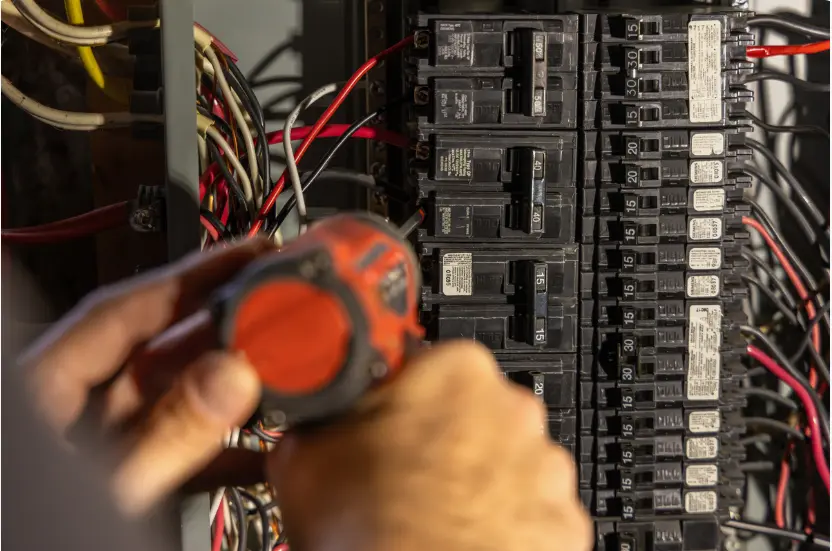
A qualified electrician can determine whether the existing electrical system can support the proposed installation and identify any necessary repairs.
5. Lighting Controls and Sensors
Lighting controls can increase the initial installation cost but may reduce wasted electricity.
Common options include:
- Occupancy sensors that turn lights off when spaces are empty.
- Daylight sensors that adjust lighting when natural light is available.
- Dimmers that allow users to control light output.
- Timers and scheduling systems for areas with predictable operating hours.
Not every business needs an advanced lighting control system. The most suitable option depends on how the building is used and when the lights are operating.
6. Permits, Disposal, and Other Project Costs
Depending on the work, commercial lighting upgrades may require permits, inspections, specialized access equipment, or additional electrical modifications.
Removing older fixtures can also involve disposal costs. Fluorescent lamps and certain other lighting products require appropriate handling and disposal procedures.
Ask your contractor whether the quote includes permits, lift rental, removal of old equipment, disposal, testing, and cleanup.
Commercial LED Lighting Costs by Building Type
Different commercial properties have different lighting requirements. The following examples explain what businesses should consider when planning an upgrade.
Office Buildings
Offices commonly use recessed LED panels, troffers, and other ceiling fixtures. The installation cost depends on the number of fixtures, ceiling access, and whether the project includes dimming or occupancy sensors.
A business may also want to consider glare, brightness, and color quality to make work areas more comfortable.
Warehouses and Workshops
Warehouses and workshops often require high-bay or linear high-bay lighting. These fixtures must provide sufficient light for storage, equipment operation, material handling, and other activities.
Installation can be more expensive when fixtures are mounted high above the floor and require lift equipment.
The contractor should consider ceiling height, fixture spacing, required illumination, and the environment in which the lights will operate.
Retail Stores
Retail lighting needs depend on the products being displayed, the layout of the store, and the atmosphere the business wants to create.
LED panels, track lighting, downlights, and accent lighting may be appropriate for different areas. A good lighting plan balances visibility, appearance, and energy use.
Outdoor Commercial Areas
Parking areas, building entrances, walkways, and loading zones may require outdoor-rated LED fixtures.
The cost depends on mounting height, weather exposure, wiring access, and whether existing poles or mounting structures can be reused.
Outdoor lighting should provide appropriate visibility while avoiding unnecessary glare and light spill.
How Much Can a Business Save by Switching to LED Lighting?
One reason businesses consider LED lighting is its potential to reduce electricity use. LEDs can provide the required light output while using less power than many older fluorescent and high-intensity discharge lighting systems.
However, the amount saved depends on the existing fixtures, replacement equipment, operating hours, and electricity rate.
Consider this example:
A business replaces 100 older fixtures that each use 128 watts with LED fixtures that use 50 watts.
- Existing lighting load: 12.8 kW
- New lighting load: 5 kW
- Power reduction: 7.8 kW
- Operating schedule: 12 hours per day, 300 days per year
- Illustrative electricity rate: $0.12 per kWh
The estimated annual energy reduction is:
7.8 kW × 12 hours × 300 days = 28,080 kWh.
At $0.12 per kWh, the business would save approximately $3,370 per year in electricity costs.
If the installed project cost were $14,000, the simple payback period would be approximately 4.2 years before accounting for maintenance savings, rebates, or other costs.
This is an illustrative example, not a prediction of savings for every business. Actual results depend on the equipment being replaced, the LED system selected, operating conditions, and the property’s electricity rate.
Do Commercial LED Lights Reduce Maintenance Costs?
LED lighting may reduce maintenance needs because many commercial LED fixtures have long rated operating lives and do not require the same routine lamp replacements as older lighting systems.
Maintenance savings can be especially useful in buildings where lights operate for many hours each day or are difficult to access.
For example, replacing high-bay fixtures in a warehouse may reduce the frequency of maintenance visits involving lifts or other specialized equipment.
However, LED fixtures can still fail. Drivers, controls, and other components may eventually require repair or replacement. Actual service life depends on product quality, operating temperature, usage, and installation conditions.
When comparing lighting options, consider both the upfront installation cost and the expected cost of maintaining the system over time.
Are Commercial LED Lighting Rebates Available in Texas?
Some commercial lighting projects may qualify for utility incentives or energy-efficiency rebates. Eligibility depends on the utility serving the property, the equipment selected, the project scope, and the rules of the applicable program.
Some programs require approved equipment, supporting documentation, or pre-approval before installation begins. Not every business or project qualifies.
Before purchasing fixtures, ask your electrician or utility provider whether an incentive program is available for your property. Confirm the requirements and application deadlines before relying on a rebate when calculating the project budget.
If an incentive is available, subtract the confirmed amount from the project cost to estimate your net investment. Do not assume that a rebate will cover a particular percentage of the installation without verifying the program terms.
How to Choose the Right Commercial LED Lighting System
Choosing the correct lighting system involves more than replacing older fixtures with newer ones.
Consider these factors before starting your project:
Required light output: Select fixtures that provide sufficient illumination for the work being performed. Compare lumens and light distribution rather than wattage alone.
Color temperature: Different color temperatures can suit different environments. Offices, retail spaces, workshops, and warehouses may have different lighting preferences and needs.
Energy efficiency: Compare the power consumption and expected light output of the proposed fixtures.
Compatibility: Confirm that the fixtures will work with existing wiring, dimmers, sensors, and other controls where these are being retained.
Product quality and warranty: Review the fixture specifications, warranty coverage, and availability of replacement parts.
Future maintenance: Consider how easily the fixtures can be inspected, cleaned, repaired, or replaced.
A commercial electrician can help evaluate these factors and recommend a lighting plan based on your building and operating requirements.
How to Prepare for a Commercial LED Lighting Installation
Preparing for the project can help reduce unexpected expenses and limit disruption to business operations.
Start by identifying areas where lighting is insufficient, fixtures fail frequently, or electricity use may be unnecessarily high.
Next, have the existing system assessed. The electrician can document fixture types, quantities, mounting heights, wiring conditions, and lighting control requirements.
Request a written estimate that separates equipment, labor, access equipment, permits, disposal, and any additional electrical work.
For businesses that cannot close during installation, discuss phased work or after-hours scheduling. A phased project may allow the business to upgrade its highest-priority areas first while spreading the investment over time.
Finally, compare the proposed lighting system’s installed cost with its expected energy use and maintenance requirements. This provides a more useful basis for decision-making than comparing fixture prices alone.
Frequently Asked Questions
How much does commercial LED lighting installation cost per fixture?
The cost can range from approximately $20 for a simple lamp replacement to several hundred dollars for a complete commercial fixture installation. High-bay lights and installations requiring special access can cost more. The final price depends on the fixture, labor, and electrical work involved.
How much does a commercial LED lighting retrofit cost per square foot?
For initial planning, commercial retrofit estimates may range from approximately $1.50 to $8 or more per square foot. The range varies by building type, fixture count, existing conditions, controls, and installation complexity. A site assessment is needed for a reliable estimate.
Is it cheaper to retrofit existing fixtures or replace them?
Retrofitting may cost less when existing fixtures are in good condition and compatible with the new LED equipment. Complete replacement may be a better long-term option when the existing fixtures are damaged, inefficient, or unsuitable for the required lighting performance.
How long does commercial LED lighting installation take?
A small project may be completed in a day, while a larger commercial building or warehouse may require several days or longer. The schedule depends on the number of fixtures, ceiling height, electrical work, access, and whether installation must occur outside normal business hours.
How long do commercial LED lights last?
The rated life varies by product and operating conditions. Some commercial LED fixtures are rated for tens of thousands of hours of use. Actual life depends on heat, electrical conditions, driver quality, and how the system is operated and maintained.
Can businesses install LED lighting in stages?
Yes. A business may upgrade areas with the highest operating hours, the most frequent maintenance problems, or the greatest lighting needs first. A phased plan can spread costs over time, although buying or installing equipment in separate phases may affect pricing.
Is commercial LED lighting worth the investment?
It can be worthwhile when the new system reduces electricity use, lowers maintenance requirements, or improves lighting quality enough to justify the installed cost. Businesses should estimate savings using actual operating hours, electricity rates, and the proposed fixtures rather than relying on a general savings percentage.
Get a Commercial LED Lighting Estimate from Shock Solutions LLC
If your business is considering a lighting upgrade, start by understanding the condition of your existing fixtures and the lighting your building needs.
Shock Solutions LLC serves businesses and property owners in Midland, Odessa, Big Spring, Andrews, Pecos, and surrounding West Texas communities. Contact the team to discuss your commercial electrical needs and request an estimate for your project.
A clear estimate can help you understand the equipment, installation work, and expected costs before moving forward with a commercial LED lighting upgrade.