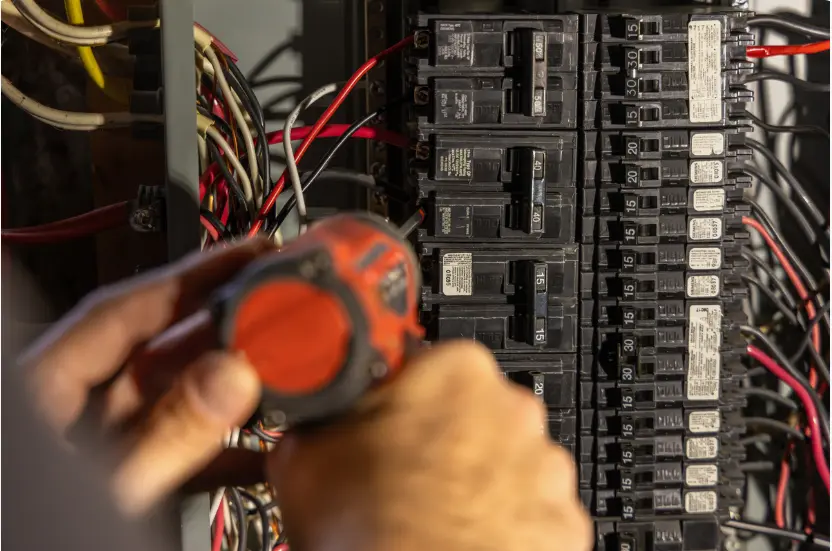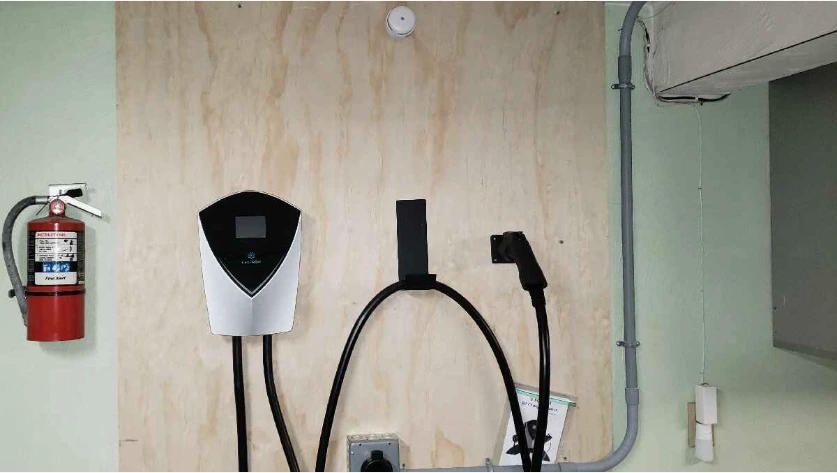
Installing an electric vehicle (EV) charger at home makes charging more convenient and can help you avoid frequent trips to public charging stations. However, before installing a home charging station, you need to make sure your home’s electrical system can handle the additional power demand.
The good news is that you may be able to install an EV charger without upgrading your electrical panel. It depends on your panel’s capacity, your home’s current electricity usage, the type of charger you choose, and the amount of power available for a new circuit.
For homeowners in Midland, Odessa, and nearby West Texas communities, Shock Solutions LLC can help assess electrical requirements and determine what may be needed for a safe, reliable EV charger installation.
Do You Need to Upgrade Your Electrical Panel for an EV Charger?
No, an electrical panel upgrade is not always necessary. Some homes already have enough electrical capacity to support a Level 2 EV charger, while others may need additional electrical work before installation.
A licensed electrician can evaluate your existing panel, review the electrical loads in your home, and determine whether a dedicated EV charging circuit can be added safely.
Your home may be able to support an EV charger without a panel upgrade if:
- Your electrical panel has sufficient capacity for the additional load.
- Your existing electrical demand leaves enough capacity for charging.
- The panel has a suitable way to accommodate the required circuit breaker.
- The wiring, grounding, and other electrical components meet applicable requirements.
If your home has an older panel, frequently trips breakers, or already uses a large amount of electricity, further evaluation may be necessary. A panel that appears to have available breaker spaces does not automatically have enough electrical capacity for an EV charger.
What Determines Whether Your Electrical Panel Can Handle an EV Charger?
Several factors affect whether you can add an EV charging station without replacing your existing panel.
1. Your Electrical Panel’s Capacity
Your electrical panel distributes electricity throughout your home. Its rated capacity determines how much electrical demand it is designed to handle under the applicable installation requirements.
Many homes have 100-amp or 200-amp electrical services, but the service rating alone does not determine whether an EV charger can be installed. The electrician must also consider the electrical demand from appliances, heating and cooling equipment, water heaters, dryers, and other major loads.
A home with a 100-amp panel may be able to support an EV charger in some circumstances, while another home with the same rating may require an upgrade or a different charging arrangement.
2. Your Home’s Existing Electricity Usage
An EV charger adds a significant electrical load, especially when charging overnight for several hours. If your home already uses much of its available electrical capacity, adding a charger may require changes to the electrical system.
For example, a home with an electric range, electric dryer, central air conditioning, and electric water heater may have different electrical demands from a home that uses gas appliances.
An electrician can perform a load calculation to determine whether your existing service can support the proposed charger under applicable electrical codes.
3. The Type of EV Charger You Choose
The charger level and its power requirements also affect whether your current panel can support the installation.
| Charger type | Typical power supply | Charging considerations |
|---|---|---|
| Level 1 | Standard 120-volt outlet | Usually slower charging and may not require a new dedicated charging station |
| Level 2 | Typically 240 volts | Faster charging and generally requires a properly sized dedicated circuit |
Level 1 charging may be sufficient if you drive short distances and can leave your vehicle plugged in for long periods. Level 2 charging is often more suitable for drivers who need to add more range overnight.
A Level 2 charger usually requires a dedicated circuit. The circuit size, wiring, and breaker must match the charger’s specifications and applicable electrical requirements.
4. Available Space in Your Electrical Panel
An electrician will also check whether your panel can accommodate the necessary circuit breaker.
If the panel has no suitable spaces available, an electrician may be able to use an approved alternative arrangement, depending on the panel type and installation conditions. However, adding breaker space does not solve a lack of electrical capacity.
The correct solution depends on the panel’s design, its condition, the available service capacity, and local code requirements.
What Are Your Options If Your Panel Cannot Support an EV Charger?
If your home’s existing electrical system cannot easily accommodate an EV charger, you may still have options besides immediately replacing the entire panel.
Install a Lower-Power Charging Solution
A lower-power charger may reduce the additional electrical demand compared with a higher-powered Level 2 unit. However, the circuit must still be suitable for the intended use, and the electrician must verify that the installation meets electrical requirements.
This option may work well for drivers with shorter daily commutes and flexible charging schedules.
Consider a Load Management System
An approved EV charging load management system can help control charging power based on the electricity being used elsewhere in the home. Depending on the equipment and installation, it may allow charging without exceeding the permitted electrical demand.
For example, a system may reduce or pause EV charging when other large electrical loads are operating. Not every system works with every panel or charger, so compatibility and code compliance must be checked by a qualified electrician.
Explore a Panel or Service Upgrade
If your home needs more electrical capacity than the existing service can provide, upgrading the electrical panel or service may be the most appropriate solution.
An upgrade can also provide additional capacity for future electrical needs, such as a heat pump, electric range, workshop equipment, or other high-demand appliances.
The right choice should be based on your current needs, planned upgrades, safety requirements, and budget rather than assuming every EV owner needs a new panel.
How Much Does EV Charger Installation Cost Without a Panel Upgrade?
The cost of installing a home EV charger varies based on the charger, electrical circuit, wiring distance, mounting location, and condition of the existing electrical system.
Keeping your current panel may help reduce costs if it has sufficient capacity and can accommodate the required circuit. However, installation still involves labor, electrical materials, and any necessary permits or inspections.
Common cost factors include:
- Charger equipment: The price depends on the charger brand, power level, features, and installation requirements.
- Wiring and circuit installation: Longer wire runs or difficult access can increase labor and material costs.
- Installation location: A garage installation near the electrical panel may require less work than a charger mounted farther away.
- Electrical modifications: New breakers, conduit, load management equipment, or other components may affect the price.
- Permits and inspections: Local requirements can add to the overall project cost.
If a panel upgrade is needed, the total cost will generally be higher because the project involves additional equipment and electrical work. The best way to establish a realistic budget is to have the property evaluated and receive an estimate based on the actual installation conditions.
What Happens During a Professional EV Charger Installation?
A professional installation helps confirm that your charging equipment and electrical system work together safely.
Step 1: Evaluate the Existing Electrical System
The electrician reviews the panel rating, existing electrical loads, available circuit spaces, and overall condition of the system. A load calculation helps determine whether the home can support the proposed charger.
Step 2: Choose the Right Charger
Your daily driving habits, vehicle requirements, charging time, and available electrical capacity help determine which charger is appropriate.
Step 3: Plan the Installation Location
The electrician identifies a suitable mounting location and plans the circuit route. The location should allow convenient access to the vehicle while following the charger’s installation instructions and applicable safety requirements.
Step 4: Install the Circuit and Charging Equipment
The installation may include a dedicated circuit, appropriately sized conductors, a circuit breaker, grounding, and other components required by the equipment and electrical code.
Step 5: Test the Installation
After installation, the electrician checks the connections and operation of the charging equipment and verifies applicable safety requirements. Permits and inspections may also be required under local rules.
Signs Your Home May Need an Electrical Panel Upgrade
Although many homes can accommodate EV charging without a complete panel replacement, some warning signs indicate that your electrical system needs further evaluation.
Watch for:
- Circuit breakers that trip repeatedly.
- An outdated or damaged electrical panel.
- Burning smells, buzzing, or visible heat damage near electrical equipment.
- Insufficient capacity for the EV charger and other major appliances.
- Plans to add several high-demand electrical appliances.
If you notice a burning smell, smoke, or signs of overheating, stop using the affected equipment if it is safe to do so and contact a qualified electrician promptly. Do not remove the panel cover or attempt to modify the wiring yourself.
Can You Install an EV Charger in an Older Home?
Yes, an EV charger can often be installed in an older home, but the electrical system must be evaluated first.
Older homes may have limited service capacity, outdated wiring, or panels that cannot safely accommodate additional loads. Other homes may already have adequate electrical service but need a new circuit and suitable charging equipment.
The age of the home alone does not determine whether a panel upgrade is necessary. An electrical assessment is the best way to identify the work required for your specific property.
Frequently Asked Questions
Can a 100-amp electrical panel support a Level 2 EV charger?
Sometimes. It depends on the home’s existing electrical demand, the charger’s power requirements, and the results of a load calculation. An electrician can determine whether the installation is feasible without upgrading the service.
Can I use a regular wall outlet to charge my electric vehicle?
Many EVs support Level 1 charging through a suitable 120-volt outlet. Charging is slower than Level 2 charging, and the outlet and circuit must be in good condition and appropriate for the intended use. Avoid using damaged outlets or unsuitable extension cords.
Is a dedicated circuit required for a Level 2 EV charger?
Level 2 home charging equipment generally requires a dedicated circuit sized according to the charger’s specifications and applicable electrical code. An electrician can confirm the correct breaker and wiring requirements.
Will installing an EV charger increase my electricity bill?
Yes, charging at home adds electricity usage. The amount depends on how far you drive, your vehicle’s efficiency, charging losses, and your electricity rate. Your utility may offer time-of-use rates that make charging during certain hours less expensive.
Is load management better than upgrading an electrical panel?
It depends on the property. An approved load management system may help when the existing service has limited capacity, while a panel or service upgrade may be more suitable when additional electrical capacity is needed for several appliances or future projects. A qualified electrician can compare the options.
Get Your Home Ready for EV Charging With Shock Solutions LLC
You do not always need to replace your electrical panel to install a home EV charger. The right solution depends on your home’s electrical capacity, existing power usage, charger requirements, and local installation rules.
Shock Solutions LLC can help homeowners determine what their electrical system needs before installing a charging station. Whether you are considering a Level 2 charger, checking your panel’s capacity, or planning an electrical upgrade, a professional assessment can help you understand your options.
If you are planning an EV charger installation in Midland, Odessa, or a nearby West Texas community, contact Shock Solutions LLC to discuss your project and determine the next steps toward convenient home charging.