Lighting fixtures do more than brighten your home or business; they enhance safety, improve energy efficiency, and contribute to the overall appearance of your space. Like any electrical component, lighting fixtures wear out over time. While some can last for many years, aging fixtures may become less efficient, outdated, or even unsafe.
Knowing when it’s time to replace your lighting fixtures can help you avoid electrical problems, reduce energy costs, and improve the comfort and value of your property. In this guide, Shock Solutions LLC explains the common signs that indicate it’s time for new lighting fixtures and the benefits of upgrading.
Why Lighting Fixtures Matter
Lighting fixtures are an essential part of every electrical system. They provide illumination for everyday activities while adding style and functionality to your home or commercial property.
Modern lighting fixtures also offer several advantages, including:
- Improved energy efficiency
- Better indoor and outdoor visibility
- Enhanced home aesthetics
- Increased property value
- Greater electrical safety
- Compatibility with smart lighting technology
Replacing outdated fixtures can make a noticeable difference in both appearance and performance.
Signs It’s Time to Replace Your Lighting Fixtures
Although some fixtures can last for decades, several warning signs indicate they should be replaced.
Frequent Flickering Lights
Occasional flickering may simply indicate a loose light bulb. However, if the problem continues after replacing the bulb, the fixture itself could be failing or have damaged internal wiring.
Persistent flickering should be inspected by a qualified electrician.
Visible Rust or Corrosion
Moisture can damage lighting fixtures, especially those installed outdoors, in bathrooms, garages, or basements.
Rust and corrosion may weaken electrical connections, increasing the risk of electrical failures.
Cracked or Broken Fixtures
Damaged glass shades, cracked housings, or broken mounting hardware can create safety hazards and reduce the effectiveness of the fixture.
Replacing damaged fixtures helps maintain both safety and appearance.
Buzzing or Humming Sounds
Lighting fixtures should operate quietly.
Buzzing, humming, or crackling noises may indicate loose wiring, overloaded components, or electrical problems that require immediate attention.
Burn Marks or Discoloration
Brown stains, scorch marks, or discoloration around a light fixture often indicate overheating.
This may result from faulty wiring, poor connections, or excessive heat buildup and should never be ignored.
Outdated Technology
Many older fixtures were designed for incandescent bulbs, which consume significantly more electricity than modern LED lighting.
Upgrading to LED-compatible fixtures can improve energy efficiency while reducing maintenance costs.
Poor Lighting Performance
If certain rooms seem dim despite using the correct bulbs, the fixture may no longer distribute light effectively.
Modern fixtures provide brighter, more even illumination while consuming less energy.
Loose or Wobbly Fixtures
Fixtures that move, sag, or fail to remain securely attached to the ceiling or wall should be replaced promptly.
Loose fixtures can become dangerous if left unattended.
Frequent Bulb Burnouts
If you’re constantly replacing light bulbs in the same fixture, the problem may not be the bulbs.
Faulty sockets, poor wiring, or excessive heat inside the fixture can shorten bulb life.
Home Renovations
Replacing lighting fixtures is an excellent way to update your home’s appearance during remodeling projects.
New fixtures can complement modern interior designs while improving overall functionality.
How Old Is Too Old for a Lighting Fixture?
There isn’t a specific age at which every lighting fixture should be replaced.
However, many homeowners choose to upgrade fixtures that are:
- More than 15 to 20 years old
- No longer compatible with modern LED technology
- Showing signs of wear or damage
- Outdated in appearance
- Less energy-efficient than newer options
If your fixtures are still operating safely but no longer meet your lighting needs, replacement may still be worthwhile.
Benefits of Replacing Old Lighting Fixtures
Installing new lighting fixtures offers several advantages.
Improved Energy Efficiency
Modern LED-compatible fixtures use significantly less electricity than older lighting systems while producing excellent brightness.
Lower energy consumption can help reduce monthly utility bills.
Better Safety
Replacing worn or damaged fixtures reduces the risk of overheating, electrical faults, and potential fire hazards.
Enhanced Appearance
Lighting plays a major role in your home’s interior and exterior design.
New fixtures can instantly refresh kitchens, bathrooms, living rooms, entryways, patios, and offices.
Improved Lighting Quality
Modern fixtures provide:
- Brighter illumination
- Better color accuracy
- More even light distribution
- Reduced glare
- Greater comfort for everyday activities
Smart Home Compatibility
Many new lighting fixtures work seamlessly with smart home systems, allowing homeowners to control lighting remotely using smartphones or voice assistants.
Indoor Lighting Fixtures That May Need Replacement
Some of the most commonly replaced indoor fixtures include:
- Chandeliers
- Ceiling lights
- Recessed lighting
- Pendant lights
- Bathroom vanity lights
- Kitchen lighting
- Hallway fixtures
- Dining room fixtures
- Closet lighting
- Basement lighting
Updating these fixtures improves both functionality and style.
Outdoor Lighting Fixtures Worth Upgrading
Outdoor fixtures are exposed to weather and often require replacement sooner than indoor lighting.
Common outdoor upgrades include:
- Porch lights
- Garage lights
- Security lighting
- Landscape lighting
- Pathway lights
- Flood lights
- Deck lighting
- Patio lighting
New outdoor fixtures improve curb appeal while increasing nighttime safety.
Why Professional Lighting Fixture Installation Matters
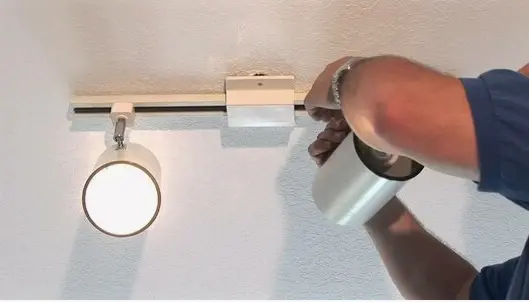
Although replacing a light fixture may seem simple, proper installation is important for electrical safety and long-term performance.
A licensed electrician will:
- Safely disconnect existing wiring
- Verify proper electrical connections
- Ensure the fixture is securely mounted
- Test the fixture for safe operation
- Confirm compliance with local electrical codes
Professional installation helps prevent wiring mistakes that could lead to future electrical problems.
Tips for Choosing New Lighting Fixtures
When selecting replacement fixtures, consider:
- Room size
- Ceiling height
- Lighting purpose
- Energy efficiency
- LED compatibility
- Interior design style
- Smart lighting features
- Outdoor weather resistance
Choosing the right fixture improves both appearance and functionality.
Why Choose Shock Solutions LLC?
At Shock Solutions LLC, we provide professional lighting fixture installation services for residential and commercial properties. Whether you’re replacing outdated fixtures, upgrading to energy-efficient LED lighting, or remodeling your home, our experienced electricians ensure every installation is completed safely, efficiently, and according to current electrical standards.
We’re committed to helping our customers improve their property’s lighting, comfort, and safety with dependable electrical solutions.
Conclusion
Lighting fixtures play an important role in the safety, efficiency, and appearance of your property. If your fixtures are flickering, damaged, outdated, or no longer providing adequate illumination, it may be time for an upgrade.
Replacing old lighting fixtures can improve energy efficiency, enhance your home’s appearance, and reduce the risk of electrical problems. The experienced team at Shock Solutions LLC is ready to help you choose and install lighting solutions that fit your needs and enhance your space.
Frequently Asked Questions
How often should lighting fixtures be replaced?
There is no fixed replacement schedule, but fixtures should be replaced when they become damaged, outdated, inefficient, or show signs of electrical problems.
Can replacing lighting fixtures lower energy bills?
Yes. Upgrading to modern LED-compatible lighting fixtures can significantly reduce electricity consumption compared to older incandescent lighting systems.
Is it safe to replace a lighting fixture myself?
Simple replacements may seem straightforward, but incorrect wiring can create safety hazards. Hiring a licensed electrician helps ensure the fixture is installed safely and correctly.
What are the warning signs of a failing lighting fixture?
Common warning signs include flickering lights, buzzing noises, burn marks, loose fixtures, corrosion, cracked components, and frequent bulb failures.
Are LED lighting fixtures worth the investment?
Yes. LED fixtures use less energy, last much longer than traditional lighting, require less maintenance, and provide excellent lighting quality, making them a cost-effective long-term investment.