Have you ever been using an appliance when the power suddenly shuts off in part of your home? You check the lights, outlets, and electrical panel, only to discover that a breaker has tripped again. When your breaker keeps tripping, it can interrupt everyday activities and raise concerns about your home’s electrical safety.
A circuit breaker is designed to protect your electrical system by stopping the flow of electricity when it detects an unsafe condition. However, repeated trips are not something you should ignore. They may indicate an overloaded circuit, damaged wiring, a short circuit, a ground fault, or a problem with the breaker itself.
Understanding why your circuit breaker keeps tripping can help you recognize potential electrical problems and know when professional help is necessary. In this guide, we explain how circuit breakers work, what causes them to trip, and when to contact an electrician.
What Is a Circuit Breaker?
A circuit breaker is an automatic safety switch installed inside your home’s electrical panel. It controls the flow of electricity through an individual circuit and interrupts that flow when the electrical current becomes too high or a fault is detected.
Every electrical circuit is designed to handle a specific amount of current. When too much electricity passes through the circuit, wires and connected components can overheat. A circuit breaker helps prevent this condition by disconnecting the affected circuit.
For example, your kitchen outlets, bedroom lighting, air conditioning system, and other electrical equipment may operate on separate circuits. If one circuit develops an electrical problem, its breaker can trip without necessarily shutting off power throughout the entire house.
Circuit breakers are important parts of a home’s electrical protection system. They help reduce the risk of overheating and electrical fires, but they do not eliminate every electrical hazard. A tripped breaker should be treated as a warning that something needs attention.
Why Does My Breaker Keep Tripping?
If you are asking, “Why does my breaker keep tripping?”, the answer usually involves an electrical condition that the breaker is designed to detect. The most common causes include circuit overloads, short circuits, ground faults, damaged appliances, faulty wiring, and worn-out breakers.
The timing and frequency of the trip can provide useful clues, but they do not confirm the exact cause. Here are the main issues that can make a circuit breaker trip repeatedly.
1. Circuit Overload
A circuit overload happens when the electrical devices connected to one circuit draw more current than that circuit is designed to handle.
For example, you might use a microwave, coffee maker, toaster, and other high-power appliances on the same kitchen circuit. When several devices operate simultaneously, their combined electrical demand may exceed the circuit’s capacity.
Common situations that can contribute to an overloaded circuit include:
- Running several high-power appliances on the same circuit.
- Using space heaters and other heating equipment together.
- Connecting too many devices to one outlet or power strip.
- Operating equipment that requires more electrical capacity than the circuit can provide.
- Adding new electrical devices without evaluating the existing circuit load.
An overloaded circuit may cause the breaker to trip after appliances have been running for some time. You might also notice lights dimming when certain appliances start.
If the breaker trips because of an overload, the electrical demand may need to be redistributed or the circuit may require professional evaluation. An electrician can determine whether a dedicated circuit or another electrical solution is appropriate.
2. Short Circuit
A short circuit occurs when electricity takes an unintended path, often because a hot wire comes into contact with a neutral wire or another conductive surface.
This condition can cause a sudden increase in electrical current. The circuit breaker responds by shutting off power to help prevent overheating, equipment damage, and fire hazards.
Short circuits can develop because of:
- Damaged or deteriorated wire insulation.
- Loose or damaged electrical connections.
- Faulty outlets or switches.
- Defective appliances or electrical cords.
- Wiring damaged during renovation or other work.
- Moisture entering electrical equipment.
A short circuit may cause the breaker to trip immediately when a switch is turned on or an appliance is connected. You might also notice a popping sound, sparks, or a burning smell.
Do not attempt to locate or repair a short circuit by opening outlets, switches, or the electrical panel. These problems require inspection by a qualified electrician.
3. Ground Fault
A ground fault happens when electrical current escapes its intended path and flows toward the ground through an unintended connection. This can occur when a hot wire contacts a grounded surface or when damaged equipment allows electricity to leak.
Ground faults can create a serious electric shock risk, particularly in areas where water or moisture is present.
Common locations where ground faults may occur include:
- Bathrooms and kitchens.
- Outdoor electrical outlets.
- Garages and laundry areas.
- Areas with damp or damaged electrical equipment.
- Appliances exposed to water or moisture.
Ground-fault circuit interrupter (GFCI) protection is used in locations where electrical shock risks are higher. A GFCI device monitors electrical current and can disconnect power when it detects an imbalance.
If a GFCI outlet or breaker repeatedly trips, do not keep resetting it. The device may be detecting an actual electrical problem that needs professional attention.
4. Faulty or Damaged Electrical Appliances
Sometimes, the problem is not with the electrical panel or the wiring throughout your home. A specific appliance may have an internal electrical fault that causes the circuit breaker to trip.
For example, a refrigerator, microwave, washing machine, air conditioner, or other large appliance may develop damaged wiring or a failing electrical component.
You may notice that the breaker trips when a particular appliance starts operating. This can be an important clue, but it does not necessarily mean the appliance is the only problem. The circuit may also be overloaded or have an underlying wiring issue.
Stop using an appliance if it repeatedly causes a breaker to trip, produces a burning smell, makes unusual electrical noises, or shows visible damage. Have the appliance and affected circuit evaluated before using it again.
5. Damaged Wiring or Loose Electrical Connections
Electrical wiring and connections can deteriorate over time. Physical damage, aging insulation, improper installation, moisture, and loose connections may create conditions that cause repeated breaker trips.
Some wiring problems are difficult to recognize because the damaged area may be hidden behind walls, ceilings, or electrical fixtures.
Possible warning signs include:
- Lights that flicker or dim unexpectedly.
- Outlets that stop working.
- Buzzing or crackling sounds near switches or outlets.
- Warm outlet or switch covers.
- Breakers that trip without an obvious change in electrical usage.
Loose connections can also create heat and electrical arcing. These conditions should be taken seriously because they may increase the risk of electrical fires.
An electrician can inspect the affected circuit, test connections, and determine whether wiring repairs or replacements are needed.
6. A Worn-Out or Faulty Circuit Breaker
Circuit breakers are mechanical and electrical devices. Like other electrical components, they can become damaged or wear out over time.
A faulty breaker may trip even when the connected circuit is not overloaded. Internal damage, heat exposure, corrosion, or other problems can affect how the breaker operates.
Signs of a potentially faulty circuit breaker include:
- Frequent trips without an identifiable cause.
- A breaker that will not remain in the ON position.
- A burning smell near the electrical panel.
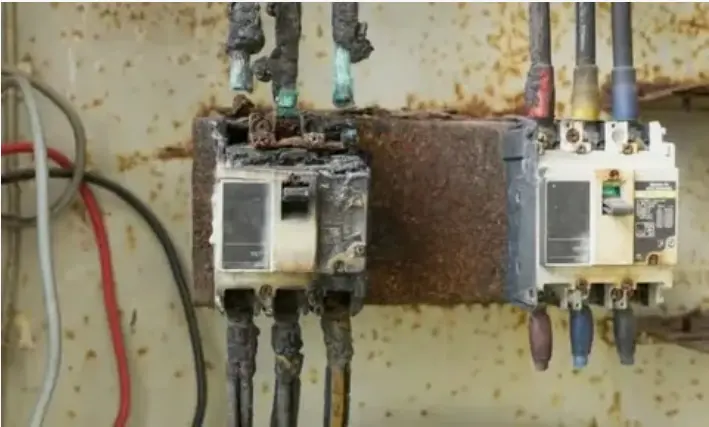
- Visible discoloration or damage around the breaker.
- Unusual buzzing or crackling sounds from the panel.
- A breaker that feels unusually hot.
A breaker that repeatedly trips should not automatically be replaced. An electrician must first determine whether the breaker is defective or responding to a separate electrical problem.
Never install a breaker with a higher amperage rating to stop repeated trips. The breaker must be correctly matched to the wiring and circuit it protects.
How Do I Know If My Circuit Breaker Has Tripped?
A tripped breaker usually affects one section of your home rather than shutting off all electricity. For example, the lights in one room may stop working while the rest of the house continues to have power.
Here are some common signs that a circuit breaker has tripped:
- Sudden power loss: Certain lights, outlets, or appliances stop working.
- Breaker handle position: The affected breaker may appear in the OFF position or sit between ON and OFF, depending on the panel design.
- Multiple devices stop working: Several outlets or fixtures connected to the same circuit may lose power.
- Repeated power interruptions: The same breaker may trip again after power is restored.
If you notice these symptoms, avoid touching damaged electrical equipment or opening the electrical panel. If there is smoke, active sparking, or a burning smell, keep away from the panel and seek urgent professional assistance. Call emergency services if a fire occurs.
What Should You Do When a Breaker Trips?
When a breaker trips, the first priority is identifying whether there is an immediate safety concern. Repeatedly restoring power without understanding the cause can make an electrical problem worse.
Consider these precautions:
- Stop using affected equipment: If you suspect an appliance or device is involved, stop using it.
- Look for warning signs: Notice whether there is a burning smell, smoke, visible damage, unusual noise, or excessive heat near an outlet or electrical panel. Do not touch hot or damaged equipment.
- Avoid repeated resets: Do not repeatedly switch a breaker back on when it trips again. A recurring trip may indicate a wiring fault, short circuit, ground fault, or damaged component.
- Keep away from damaged equipment: Do not open the electrical panel, remove outlet covers, or attempt to repair wiring yourself.
- Contact an electrician: If the breaker trips repeatedly, the cause is unclear, or you notice any warning signs, arrange a professional electrical inspection.
A breaker should not be treated as a switch that can simply be turned back on whenever the power goes out. Its job is to interrupt an unsafe electrical condition. The underlying issue must be addressed before normal operation can safely resume.
Why Does My Circuit Breaker Keep Tripping With Nothing Plugged In?
If your circuit breaker keeps tripping even when no obvious appliances are connected, the issue may involve the wiring, electrical fixtures, a permanently connected appliance, or the breaker itself.
Some electrical equipment, including HVAC systems and built-in appliances, may remain connected to a circuit even when they are not actively being used. A wiring fault can also exist inside a wall, outlet, switch, or electrical junction.
Possible causes include:
- Damaged electrical wiring.
- Loose connections inside an outlet or junction.
- A faulty light fixture or switch.
- A problem with permanently connected equipment.
- Moisture affecting electrical components.
- A defective circuit breaker.
A breaker that trips with little or no visible electrical load needs professional attention. An electrician can inspect the circuit and use appropriate testing equipment to identify the source of the problem.
Can a Tripping Circuit Breaker Be Dangerous?
Yes. A circuit breaker that trips repeatedly can indicate an electrical condition that presents a safety risk.
Although an occasional trip may result from an overloaded circuit, frequent or unexplained trips can point to damaged wiring, short circuits, ground faults, or failing electrical components.
Ignoring these problems may lead to:
- Overheated wires and electrical connections.
- Damage to appliances and electrical equipment.
- Electrical arcing.
- Electric shock hazards.
- Increased risk of an electrical fire.
It is important to remember that a circuit breaker is a protective device, not a repair solution. If it continues to trip, the electrical issue needs to be identified and corrected.
When Should You Call a Professional Electrician?
You should contact an electrician when a breaker trips repeatedly, trips immediately after being switched on, or continues to trip even when you are not using many electrical devices.
Professional assistance is especially important if you notice burning odors, buzzing sounds, sparks, smoke, warm outlets, damaged wiring, or signs of moisture around electrical equipment.
An electrician can evaluate the electrical system and determine whether the problem involves an overloaded circuit, faulty appliance, damaged wiring, ground fault, short circuit, or defective breaker.
Depending on the findings, the solution may involve repairing a connection, addressing an appliance issue, correcting a wiring fault, replacing a damaged breaker, or evaluating whether an electrical panel upgrade is necessary.
The correct solution depends on the condition of the existing electrical system. Replacing a breaker or installing a larger one without identifying the underlying cause can create additional safety risks.
How Can You Prevent Frequent Circuit Breaker Trips?
Not every electrical issue can be prevented, but responsible electrical use and routine attention to warning signs can help reduce the likelihood of recurring problems.
Consider these electrical safety practices:
- Avoid operating several high-power appliances on the same circuit when their combined demand exceeds its capacity.
- Do not overload outlets or power strips.
- Have new appliances and electrical equipment evaluated before installation when additional circuit capacity may be needed.
- Stop using damaged cords, plugs, and appliances.
- Pay attention to flickering lights, unusual electrical sounds, and warm outlets.
- Keep electrical equipment protected from moisture.
- Arrange professional inspections when your electrical system shows signs of damage or recurring problems.
- Have electrical panel upgrades evaluated when your household’s electrical needs change.
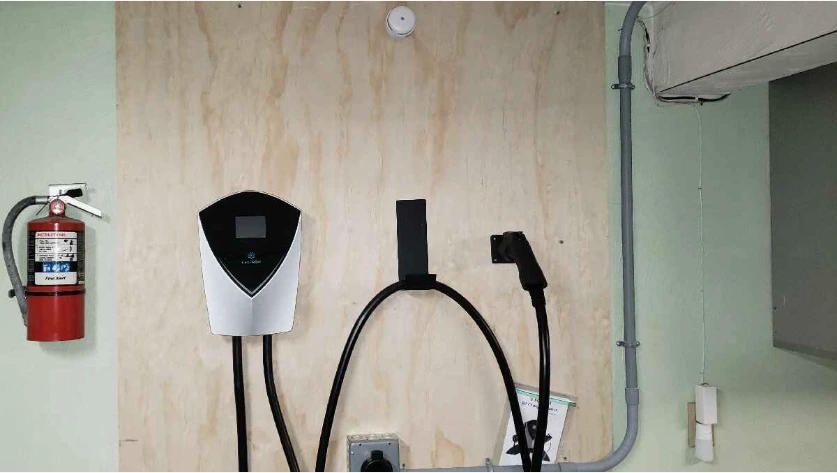
If you are planning to install an EV charger, add major appliances, or renovate your home, an electrician can assess whether your existing electrical panel and circuits can support the additional demand.
Get Professional Electrical Troubleshooting From Shock Solutions LLC
A breaker that keeps tripping is more than an inconvenience. It may be your electrical system’s way of warning you about an overload, damaged wiring, a short circuit, a ground fault, or another problem that needs attention.
Shock Solutions LLC provides residential and commercial electrical services in Midland, Odessa, Big Spring, Andrews, and Pecos, TX. The company offers electrical troubleshooting, wiring services, lighting installation, and electrical panel upgrades to help property owners address their electrical needs.
If your circuit breaker keeps tripping or you are experiencing recurring electrical problems, contact Shock Solutions LLC to discuss the issue and arrange professional assistance.
Call (432) 895-7775 or visit Shock Solutions LLC to request information about electrical services.
Frequently Asked Questions
1. Why does my breaker keep tripping randomly?
A breaker may appear to trip randomly because of an overloaded circuit, damaged wiring, a short circuit, a ground fault, a faulty appliance, or a worn-out breaker. The cause may not be visible, so repeated trips should be inspected by an electrician.
2. Why does my circuit breaker keep tripping immediately?
A breaker that trips immediately after being switched on may indicate a short circuit, ground fault, damaged appliance, wiring problem, or defective breaker. Do not continue resetting it. Have a qualified electrician identify the cause.
3. Is it safe to keep resetting a tripped breaker?
No. Repeatedly resetting a breaker without identifying the cause can expose your electrical system to further risk. If it trips again, leave it off and contact an electrician.
4. Can a bad appliance cause a breaker to trip?
Yes. An appliance with damaged wiring, an internal electrical fault, or a failing component can draw excessive current or create an electrical fault that causes the breaker to trip.
5. Can a circuit breaker go bad?
Yes. Circuit breakers can become damaged or worn over time. However, frequent tripping does not automatically mean the breaker needs replacement. An electrician should inspect the circuit and determine whether the breaker or another component is causing the problem.
6. Why does my breaker keep tripping when it rains?
Rain or moisture may affect outdoor outlets, exterior wiring, lighting fixtures, or electrical equipment. Water intrusion can create ground faults and other electrical hazards. Avoid using affected equipment and arrange a professional inspection.
7. Does a tripping breaker mean I need an electrical panel upgrade?
Not necessarily. A breaker may trip because of an overloaded circuit, faulty appliance, damaged wiring, or a defective breaker. An electrical panel upgrade may be appropriate if the existing system cannot safely support your electrical demand, but an electrician should evaluate the system before recommending one.
8. How can an electrician find out why a breaker keeps tripping?
An electrician can inspect the panel, evaluate the affected circuit, check connected equipment, and use appropriate electrical testing methods to identify overloads, wiring faults, ground faults, or defective components. The recommended repair will depend on the inspection results.